Introduction to Postpartum Depression
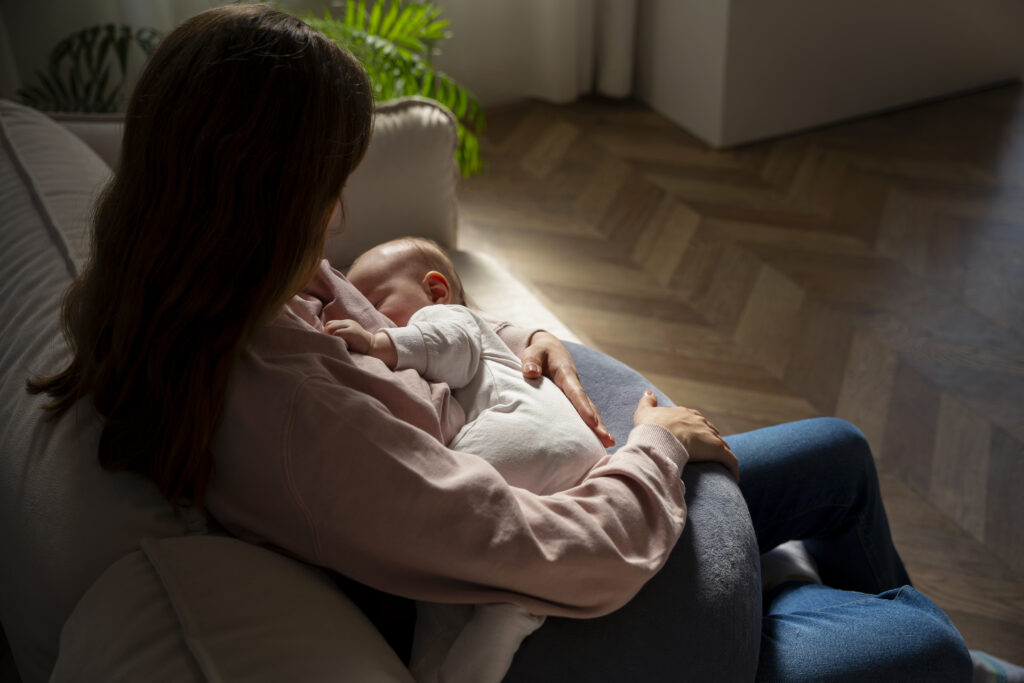
Many new mothers feel sad or overwhelmed after having a baby. However, postpartum depression is more than just the “baby blues.” It is a serious mood disorder that can affect women after childbirth. In fact, postpartum depression can make it hard to care for yourself and your baby. Early recognition and support are important. According to the CDC, about 1 in 8 women experience symptoms of postpartum depression. Knowing the signs of postpartum depression can help you or a loved one get help sooner.
Symptoms of Postpartum Depression
Postpartum depression symptoms can vary from person to person. Still, there are some common signs to watch for. Recognizing these symptoms early can make a big difference. Here are some signs of postpartum depression:
Sometimes, these symptoms may start soon after birth. Other times, they may appear weeks or even months later. If you notice these signs, it is important to seek help.
Causes and Risk Factors
While the exact cause of postpartum depression is not fully known, several factors can increase risk. For example, hormonal changes after childbirth can affect mood. In addition, lack of sleep and stress can play a role. Here are some common risk factors:
Even so, postpartum depression can happen to anyone. It does not mean you are weak or a bad parent.
Diagnosis and When to Seek Help
It is normal to feel tired or emotional after having a baby. However, if these feelings last more than two weeks or get worse, you should talk to a healthcare provider. Early diagnosis can help you recover faster. Doctors may use simple questions or checklists to understand your symptoms. They may also rule out other health problems. If you have thoughts of harming yourself or your baby, seek help right away. You are not alone, and support is available.
Treatment Options
There are several postpartum depression treatment options. Your doctor will help you choose what works best for you. Treatment may include:
Sometimes, a mix of treatments works best. For example, you may need both therapy and medicine. Always talk to your doctor before starting or stopping any treatment.
Lifestyle Tips and Support
Along with medical treatment, lifestyle changes can help you feel better. For instance, try to rest when your baby sleeps. In addition, ask for help from family or friends. Here are some helpful tips:
Remember, taking care of yourself helps you care for your baby, too.
Prevention Strategies
While you cannot always prevent postpartum depression, some steps may lower your risk. For example, talk to your doctor if you have a history of depression. Plan for extra support after your baby arrives. Here are some prevention strategies:
Early action can make a big difference in your recovery.
If you or someone you know may be experiencing postpartum depression, consult a healthcare professional Dr. K SURESH REDDY for personalized guidance.