What is PTSD?
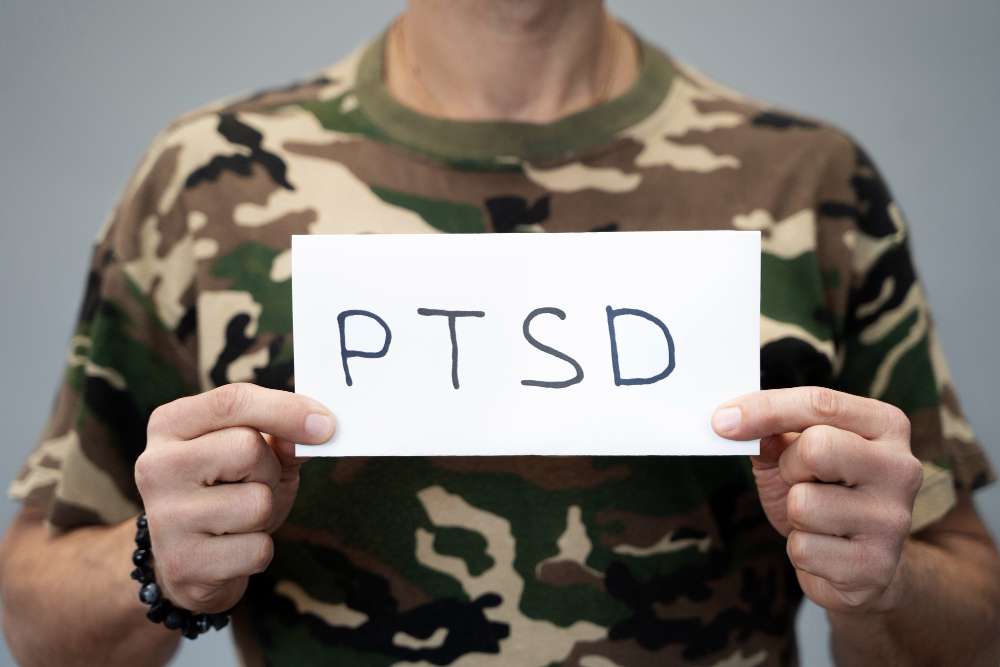
PTSD stands for post-traumatic stress disorder. It is a mental health condition that can develop after a person experiences or witnesses a traumatic event. For example, this could include accidents, natural disasters, violence, or war. While it is normal to feel upset after trauma, PTSD causes these feelings to last longer and affect daily life. According to the World Health Organization, millions of people worldwide live with PTSD. Early understanding and support can make a big difference.
Common Symptoms of PTSD
PTSD symptoms can look different for each person. However, most people with PTSD experience some of the following:
Sometimes, symptoms may appear soon after the event. Other times, they may start months or even years later. If these symptoms last more than a month and disrupt daily life, it may be PTSD.
Causes and Risk Factors
PTSD can happen to anyone. Yet, some factors can increase the risk. For instance, people who have faced repeated trauma, such as abuse or combat, are more likely to develop PTSD. Other risk factors include:
Even so, not everyone exposed to trauma will get PTSD. Each person’s response is unique.
How PTSD is Diagnosed
Doctors use special guidelines to diagnose PTSD. First, they ask about symptoms and the traumatic event. Next, they may use questionnaires or interviews. According to the CDC, symptoms must last more than a month and cause problems in daily life. Sometimes, doctors will check for other conditions, like depression or anxiety, to make sure of the diagnosis. Early diagnosis helps people get the right treatment.
Treatment Options for PTSD
There are several effective PTSD treatment options. With the right help, many people recover or manage their symptoms well. Common treatments include:
Often, a mix of treatments works best. For example, some people benefit from both therapy and medication. If you are looking for PTSD support in your area, many cities offer local resources and hotlines.
Lifestyle Tips and Coping Strategies
In addition to treatment, healthy habits can help manage PTSD symptoms. For instance, you can try these coping strategies:
Remember, coping takes time. But with support, many people see improvement.
Prevention and Early Intervention
While it is not always possible to prevent PTSD, early help can lower the risk. After a traumatic event, talking to someone you trust can help. Seeking support from mental health professionals soon after trauma may also reduce long-term effects. Schools, workplaces, and communities can play a role by offering support and resources.
When to Seek Help
If you or someone you know has PTSD symptoms that last more than a month, it is important to seek help. Especially if symptoms make daily life hard, do not wait. Early treatment can lead to better outcomes. You can start by talking to your doctor or a mental health specialist. Many organizations offer post-traumatic stress disorder help and support in local communities.
If you or someone you know is struggling with PTSD, consult a mental health specialist at Sri Sri Psychiatric Clinic for personalized guidance.