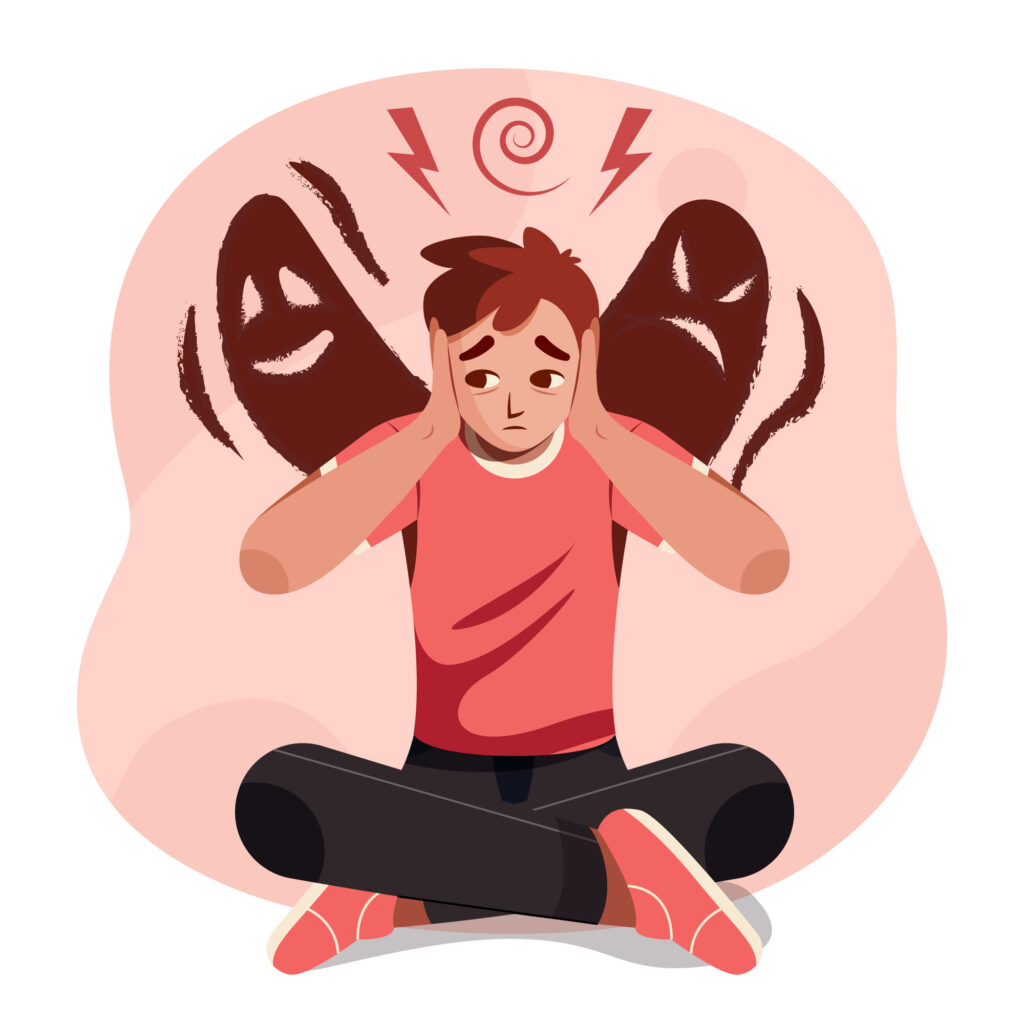
Anxiety disorders are common mental health conditions that cause intense worry, fear, or nervousness. These feelings can last a long time and may affect daily life. Because anxiety disorders are so common, understanding them is important. Early recognition helps people get the right support and treatment. In this blog, you will learn about anxiety disorder symptoms, causes, types, and ways to manage anxiety.
What Are Anxiety Disorders?
First, it helps to know that feeling anxious sometimes is normal. However, anxiety disorders are different. They involve frequent or severe anxiety that does not go away. For example, a person may feel worried even when there is no clear reason. There are several types of anxiety disorders, including:
Each type has its own signs, but all cause distress and can affect daily activities.
Common Symptoms of Anxiety Disorders
People with anxiety disorders may notice both physical and emotional symptoms. For instance, they might feel tense or restless. Below are some common anxiety disorder symptoms:
Sometimes, these symptoms can make it hard to work, study, or enjoy life. But with help, many people learn to manage anxiety.
Causes and Risk Factors
Although the exact cause of anxiety disorders is not always clear, several factors may play a role. For example, a family history of anxiety can increase risk. Other risk factors include:
Because many factors can contribute, it is important to look at the whole picture when seeking help.
How Anxiety Disorders Are Diagnosed
Doctors diagnose anxiety disorders by asking about symptoms and medical history. They may use special questionnaires to learn more. Sometimes, they will do a physical exam to rule out other causes. For example, thyroid problems can cause similar symptoms. If needed, a mental health professional will make a diagnosis based on guidelines from the American Psychiatric Association.
Treatment Options for Anxiety Disorders
Thankfully, anxiety disorders are treatable. Treatment for anxiety disorders often includes:
Sometimes, a combination of treatments works best. Because everyone is different, doctors create a plan that fits each person’s needs.
Lifestyle Tips and Coping Strategies
Along with treatment, healthy habits can help manage anxiety. For example, you can try these coping tips:
Because small changes can make a big difference, try adding one new habit at a time.
Prevention and When to Seek Help
While it is not always possible to prevent anxiety disorders, early action can help. For instance, learning stress management skills may lower risk. If you notice ongoing worry or fear that affects your life, it is time to seek help. A mental health professional can guide you toward the right treatment and support.
Anxiety can affect more than just your thoughts—understand the signs, causes, and treatment options for anxiety disorders with expert mental health support from Dr. K. Suresh Reddy at Sri Sri Psychiatric Clinic.
If you or someone you know is struggling, do not wait. Consult a mental health professional for personalized advice on anxiety disorders.